
 By Chloe
Gastroscopy, also known as upper gastrointestinal endoscopy, is a medical treatment that examines the upper part of the digestive system, which includes the oesophagus, stomach, and duodenum. This treatment is often used to diagnose and treat problems like as ulcers, gastritis, reflux illness, and cancer. Well, The cost of gastroscopy in Singapore depends upon a lot of factors. If you are booked for a gastroscopy or are simply curious about the process, this article will provide you with all the facts you need to know.
What is a Gastroscopy and how is it performed?
A gastroscopy is a medical technique that uses a flexible endoscope to examine the upper part of the digestive system.Typically, the patient is sedated throughout the treatment, and a numbing spray is given to the back of the throat. After that, the endoscope is entered through the mouth and progressed through the oesophagus, stomach, and duodenum. The endoscope comprises a light and a camera that allows the doctor to inspect the digestive system lining for any abnormalities.
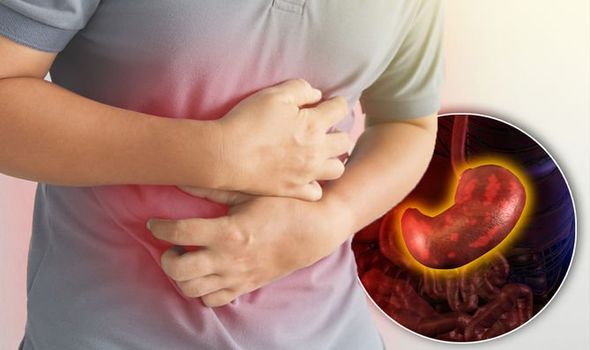
What is the Purpose of a Gastroscopy?
A gastroscopy may be required for a variety of reasons. Among the most common explanations are:
- Unexplained stomach pain or discomfort
- Difficulty swallowing
- Consistent heartburn or acid reflux
- Unexplained weight loss
- Consistent vomiting
- Blood in vomit or stools
- Cancer or precancerous diseases screening
How Should You Prepare for a Gastroscopy?
It is critical to prepare for a gastroscopy in order for the surgery to go easily and securely. Fasting for several hours before the procedure is typically required, as is abstaining from certain drugs. Your doctor will give you detailed information on how to prepare for the surgery.
You will be sedated throughout the surgery, and a numbing spray will be given to the back of your throat. The endoscope will be put into your mouth and advanced through your oesophagus, stomach, and duodenum while you lie on your side. The operation usually takes between 15 and 30 minutes to complete.
Gastroscopy, like any other medical treatment, has risks and hazards. The most common hazards are bleeding, infection, perforation, and severe sedative reactions. However, the chance of these consequences is low, and your doctor will take precautions to reduce them.
If you have severe discomfort, persistent bleeding, or difficulty swallowing following the surgery, you should seek medical treatment. These symptoms may suggest a problem and should be addressed by a doctor.