
 By Chloe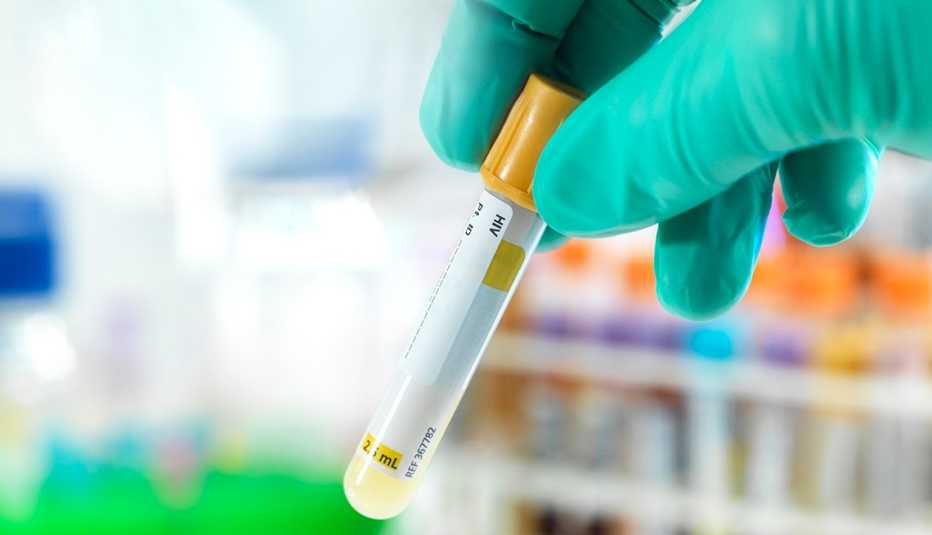
HIV Testing Saves Lives
Regular HIV testing & treatment is a critical component of public health efforts to control the spread of the virus. By identifying infections early, individuals can access life-saving treatment and take steps to prevent transmission to others.
Many people with HIV don’t experience symptoms for years, making testing the only way to know their status. Routine testing helps catch infections early, leading to better health outcomes and longer, healthier lives.
Reducing the Spread of HIV
When people are aware of their HIV status, they can make informed decisions about their sexual health and take precautions to protect their partners. This includes using condoms consistently, discussing PrEP (pre-exposure prophylaxis) with their healthcare provider, and adhering to antiretroviral therapy if positive.
By reducing the amount of virus in the body, effective HIV treatment can also make transmission to others much less likely. In fact, people with undetectable viral loads have effectively no risk of transmitting HIV to their sexual partners.
Breaking Down Barriers to Testing
Despite the importance of HIV testing, many people still face barriers to getting tested regularly. These can include stigma, lack of access to healthcare, and fear of a positive result.
Healthcare providers and public health organizations must work to make testing more accessible, affordable, and stigma-free. This can involve offering testing in non-traditional settings, such as community events or mobile clinics, and providing culturally sensitive care.

Normalizing HIV Testing for All
In the past, HIV testing was often targeted at specific “high-risk” groups, such as men who have sex with men or people who inject drugs. However, this approach can reinforce stigma and create a false sense of security among those who don’t fit those categories.
Today, experts recommend that everyone between the ages of 13 and 64 get tested for HIV at least once as part of routine healthcare. By normalizing testing for all, we can help reduce stigma and ensure that no one falls through the cracks.
Empowering Individuals and Communities
Ultimately, routine HIV testing is about empowering individuals and communities to take control of their health. By knowing their status, people can make informed decisions, access care and support, and play an active role in preventing new infections.
As we work towards ending the HIV epidemic, making testing a normal, accessible part of healthcare for everyone is a crucial step forward. Together, we can build a future where HIV is no longer a threat to public health.
Taking Action for Better Health
Routine HIV testing is a simple, effective way to protect individual and public health. Whether you’re sexually active or not, it’s important to know your status and take steps to stay healthy.
Talk to your healthcare provider about getting tested, and encourage your friends and loved ones to do the same. By making testing a regular part of our lives, we can all play a role in ending the HIV epidemic once and for all.